Skip to content
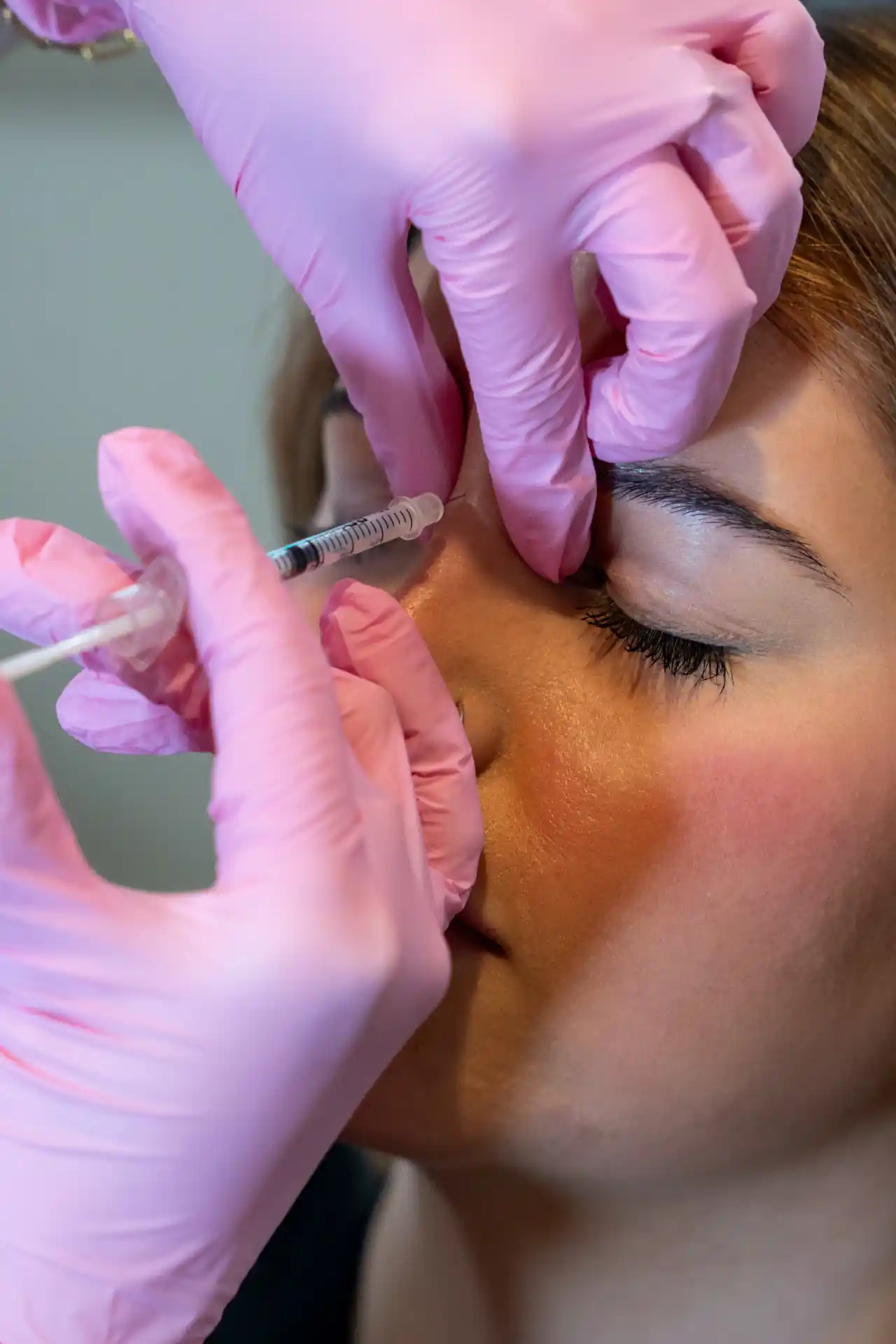
Table of Contents
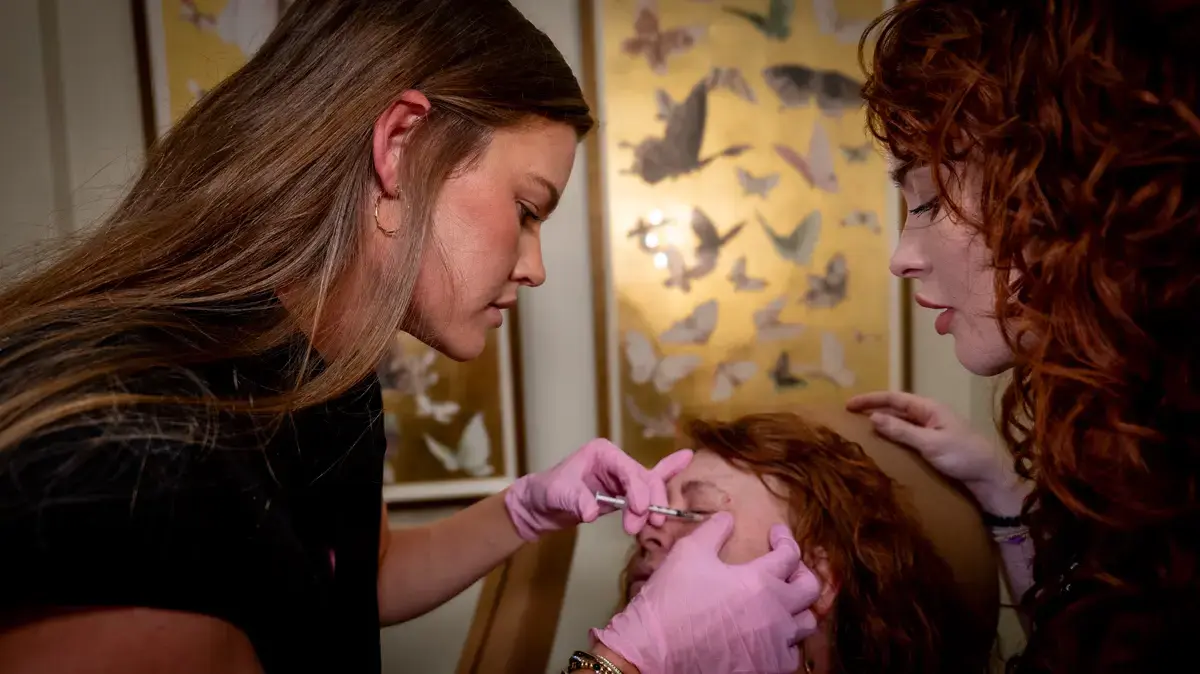
Preventive Botox is becoming popular in your 20s and 30s because more people want subtle, early line-softening and habit-based wrinkle prevention, plus they are more informed and more comfortable treating concerns before they feel “set in.”
If you’ve ever caught yourself raising your eyebrows in every photo, squinting in the sun, or noticing faint lines that hang around a little longer than they used to, you’re not imagining it. At RAYNĒ Medspa | Aesthetics, we see more people in their 20s and 30s paying closer attention to how their expressions shape their skin, and making choices earlier than previous generations did.
What Preventive Botox Means In Your 20s And 30s
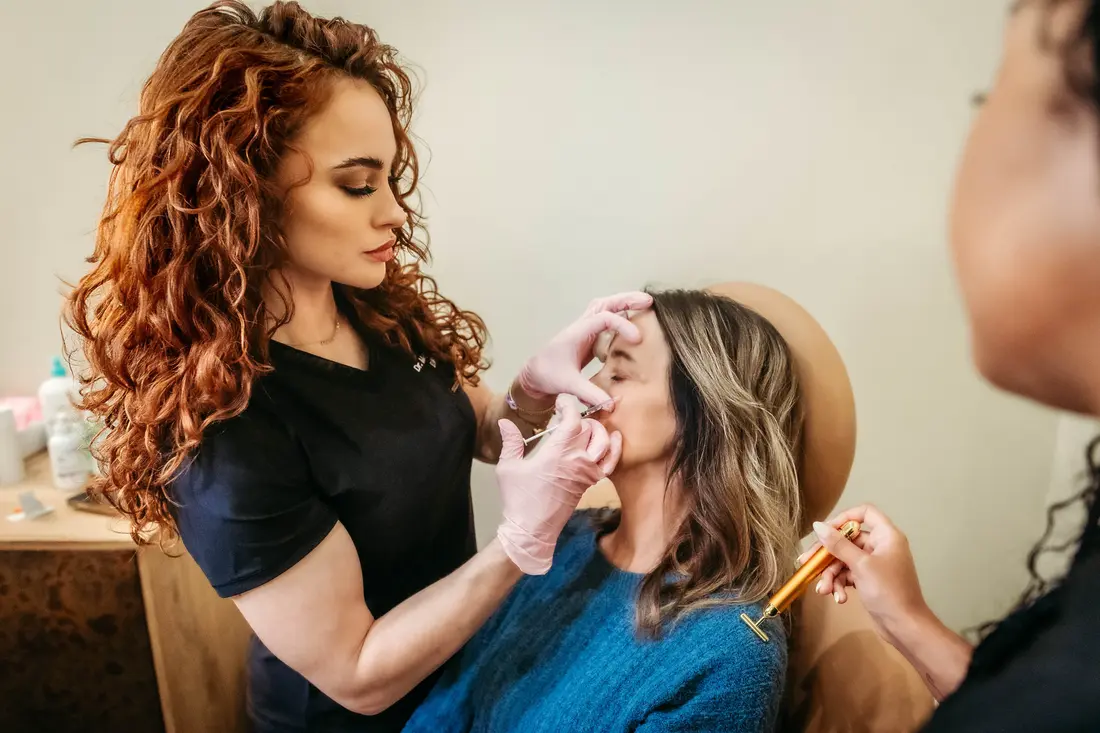
“Preventive” in Preventive Botox is less about stopping time and more about interrupting the repetitive muscle movement that can gradually etch lines into the skin. In your 20s and 30s, those lines may show up mainly when you make an expression, then fade once your face relaxes. Preventive treatment focuses on reducing how strongly those muscles contract, so the skin does not fold as hard or as often.
A few important clarifications help keep expectations realistic:
- It is usually subtle and targeted, not a “frozen” look. The goal is a softer movement pattern, not a dramatic change in your personality or expression.
- It is not a shortcut around aging. Skin will still change over time, but repetitive creasing can be reduced.
- Common areas for this age range often include the forehead, the “11” lines between the brows (glabella), and crow’s feet, since those spots tend to crease with everyday expression.
Think of it as working with your natural facial habits. If you are a strong brow-lifter or a frequent squinter, preventive dosing can help dial down the intensity so lines are less likely to deepen.
Why More People Are Choosing Botox Earlier
Preventive Botox feels more common now because people see their expressions more often, get clearer education, and prefer small, proactive changes instead of waiting for lines to deepen.
The “Zoom effect” makes habits like squinting or frowning easier to notice, and provider-led content has helped set realistic expectations for subtle, natural-looking dosing.
Other reasons it’s trending:
- A photo and meeting culture where a rested look matters
- Busy schedules that favor low-downtime options
- A maintenance mindset that pairs with sunscreen and skincare
The 20s Vs 30s Difference In Goals And Starting Points
People in both decades choose Preventive Botox for subtle, natural-looking line control, but the starting point is often different.
In your 20s, it’s usually about prevention and easing strong expression habits before lines linger.
In your 30s, it’s often prevention plus softening early lines that may start to show even at rest.
Age is only one piece. Your plan should be based on your movement pattern and skin factors like genetics, sun exposure, and daily habits. A consult should focus on what your face does when you talk, smile, and concentrate.
What “Good Candidate” Looks Like For Preventive Botox
Not everyone in their 20s or 30s needs Preventive Botox. It tends to make the most sense if you have strong facial movement that repeatedly creases the same spots, and those lines linger for a bit even after you relax.
If your expression lines are minimal and disappear right away, you may be better served by true prevention basics like daily sunscreen, a consistent routine, and lifestyle habits that support skin health.
Bottom line: treat your movement pattern, not the trend.
What Results People Expect From Preventive Botox
Most people who choose Preventive Botox in their 20s and 30s are looking for a “small but meaningful” change. They still want to look like themselves, just with less intense creasing in the areas they are most expressive.
Common expectations include:
- Subtle smoothing when making expressions, especially in photos
- A more rested look, because the “tension” lines soften
- Makeup sitting more smoothly on areas that used to crease quickly
- Less effort getting ready, because the face looks more consistent day to day
It is also important to keep boundaries clear. Botox affects muscle movement, so it is great for expression-related lines. It does not directly treat every skin concern. Texture, pore appearance, sun spots, and pigmentation are separate issues that may need other treatments or skincare strategies.
In other words, Preventive Botox can be a smart piece of the plan, but it is not the whole plan.
How To Talk To A Provider So The Plan Stays Subtle
If your biggest concern is ending up with a look that feels “too done,” the conversation you have at your consultation matters. The good news is that subtle plans are usually very doable when you communicate clearly.
Here are a few ways to keep the plan conservative and natural-looking:
- Ask for a conservative approach based on your movement patterns and facial balance
- Share your goal in plain language: soften lines, keep expression, avoid dramatic change
- Talk about how you want to look in motion, not just in a still photo
- Agree on a follow-up plan that allows small refinements rather than big jumps
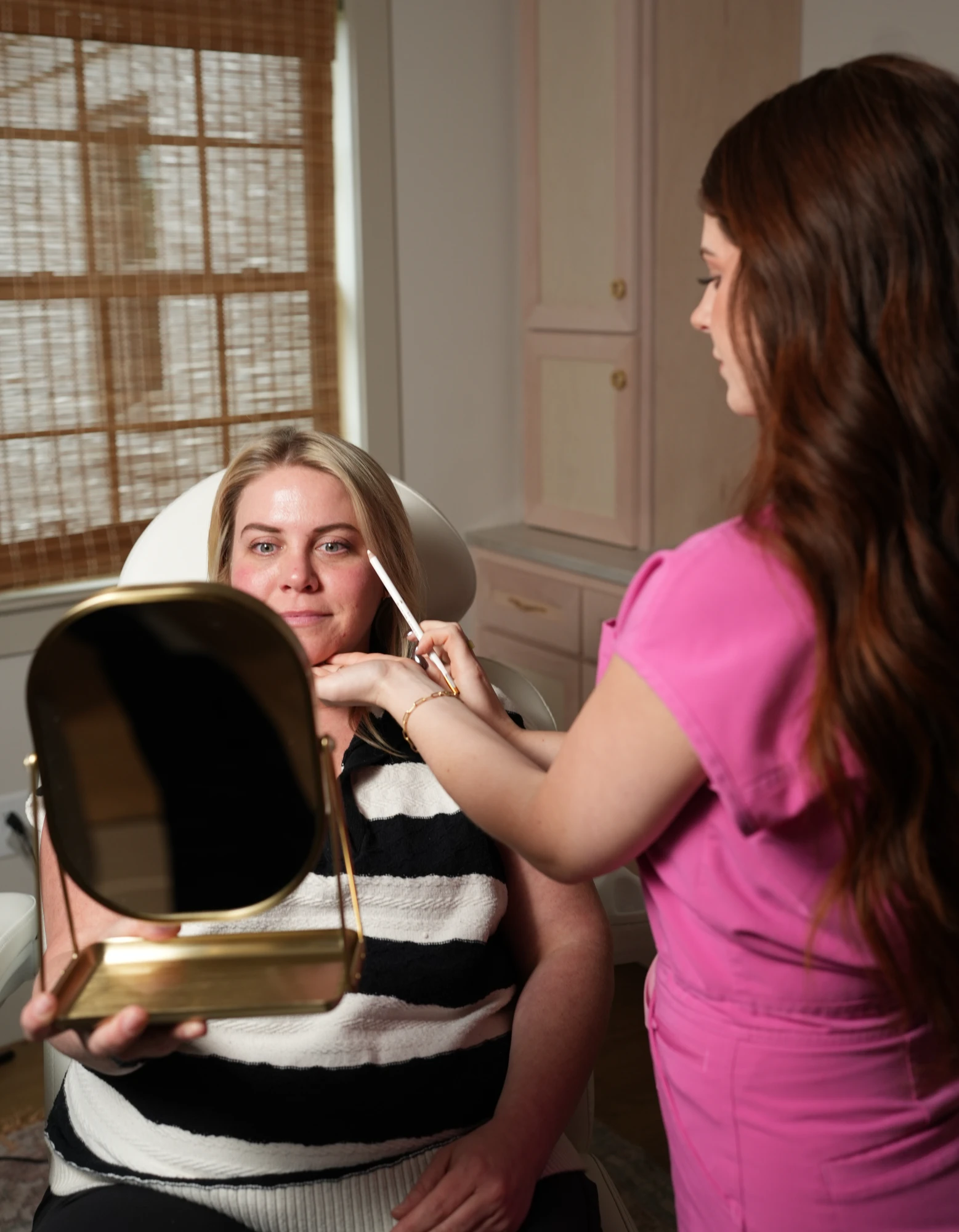
It can also help to mention what you notice day to day. For example, “I crease between my brows when I concentrate,” or “My forehead lines show up in photos even when I feel relaxed.” Those details point your provider toward the exact pattern you want to address.
Ready For A Subtle, Preventive Plan?
Preventive Botox is becoming popular in your 20s and 30s because it fits how many people approach skincare now: small, intentional choices that keep things looking natural while reducing early line patterns before they deepen. If you’re in Evans, GA, and you’re curious whether Preventive Botox makes sense for your facial movement and goals, we’d love to help you make a confident, conservative plan.
Schedule a consultation with RAYNĒ Medspa | Aesthetics to talk through your options and keep the results subtle, balanced, and still completely you.