Skip to content

Table of Contents
Microneedling is often described in broad terms, usually tied to smoother skin or fewer wrinkles. That kind of general language can make it difficult to understand where it truly fits in a treatment plan. The more useful question is simpler: what does microneedling treat, and when does it make sense to choose it?
The answer comes down to how the skin heals and what type of concern you’re trying to improve.
How Microneedling Works Beneath the Surface
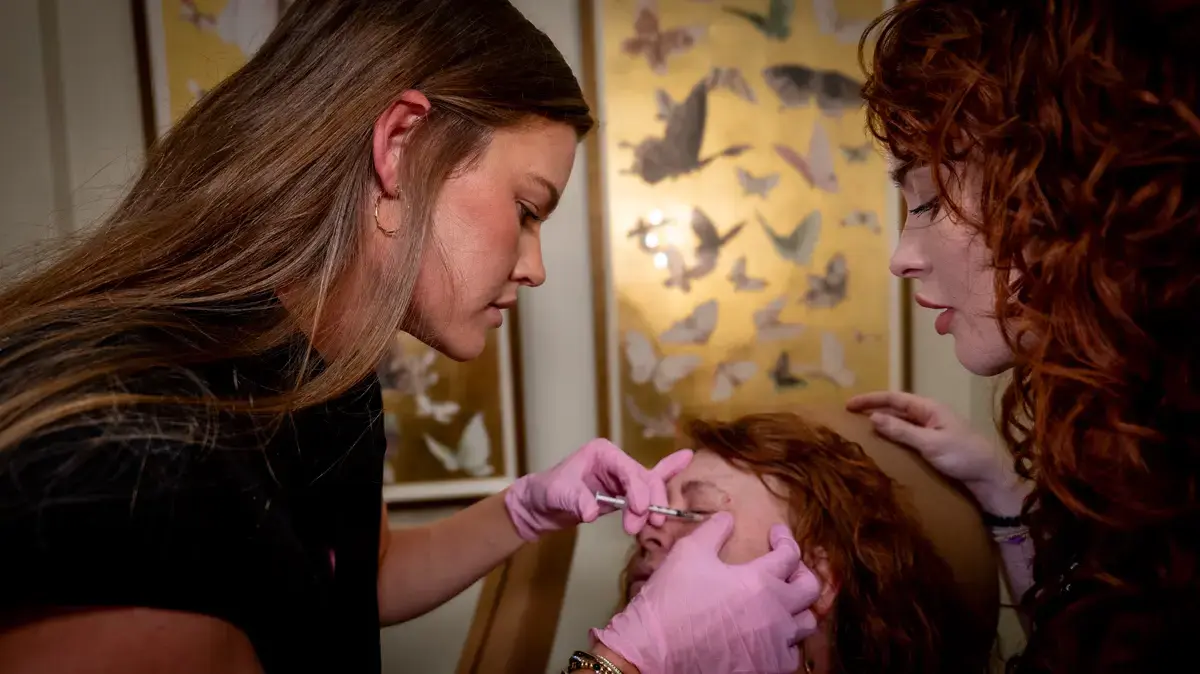
Microneedling works by utilizing a device with very fine needles to create controlled micro-channels in the skin. These small, intentional injuries trigger a repair response. As the skin heals, it produces more collagen and elastin. These proteins are essential for structure, firmness, and smoothness.
The process is why many microneedling benefits are tied to texture and early structural changes rather than dramatic reshaping. The improvements happen gradually, building with each session as the skin continues to remodel itself.
Skin Texture Concerns That Respond Well
Texture-related issues are often the most responsive. These are concerns where the surface of the skin looks uneven or feels rough.
Acne scars
Indented acne scars, such as rolling or boxcar scars, tend to improve steadily with microneedling. The treatment helps rebuild the underlying support that has been lost. By doing so, microneedling softens the appearance of uneven areas.
Enlarged pores
Pores cannot be permanently “shrunk,” but they can appear less noticeable when the surrounding skin becomes firmer and more uniform.
Rough or uneven skin
Skin that feels bumpy or looks dull often becomes smoother after a series of treatments. This is one of the more consistent outcomes among common microneedling skin concerns.
Early Signs of Aging and Mild Laxity
Microneedling is frequently used for early aging changes, especially when those changes are tied to collagen loss.
Fine lines
Lines that form from thinning skin or early aging respond better than deeper expression lines. Over time, the skin looks more refined and slightly thicker.
Mild skin laxity
Subtle looseness can improve as collagen production increases. This does not replace procedures designed for lifting, but it can make the skin feel more resilient.
These are examples of skin concerns microneedling helps with when the goal is gradual improvement rather than a dramatic shift.
Tone and Pigmentation: What to Expect
Pigmentation can improve with microneedling. However, the results depend on the type and depth of discoloration.
Post-inflammatory hyperpigmentation
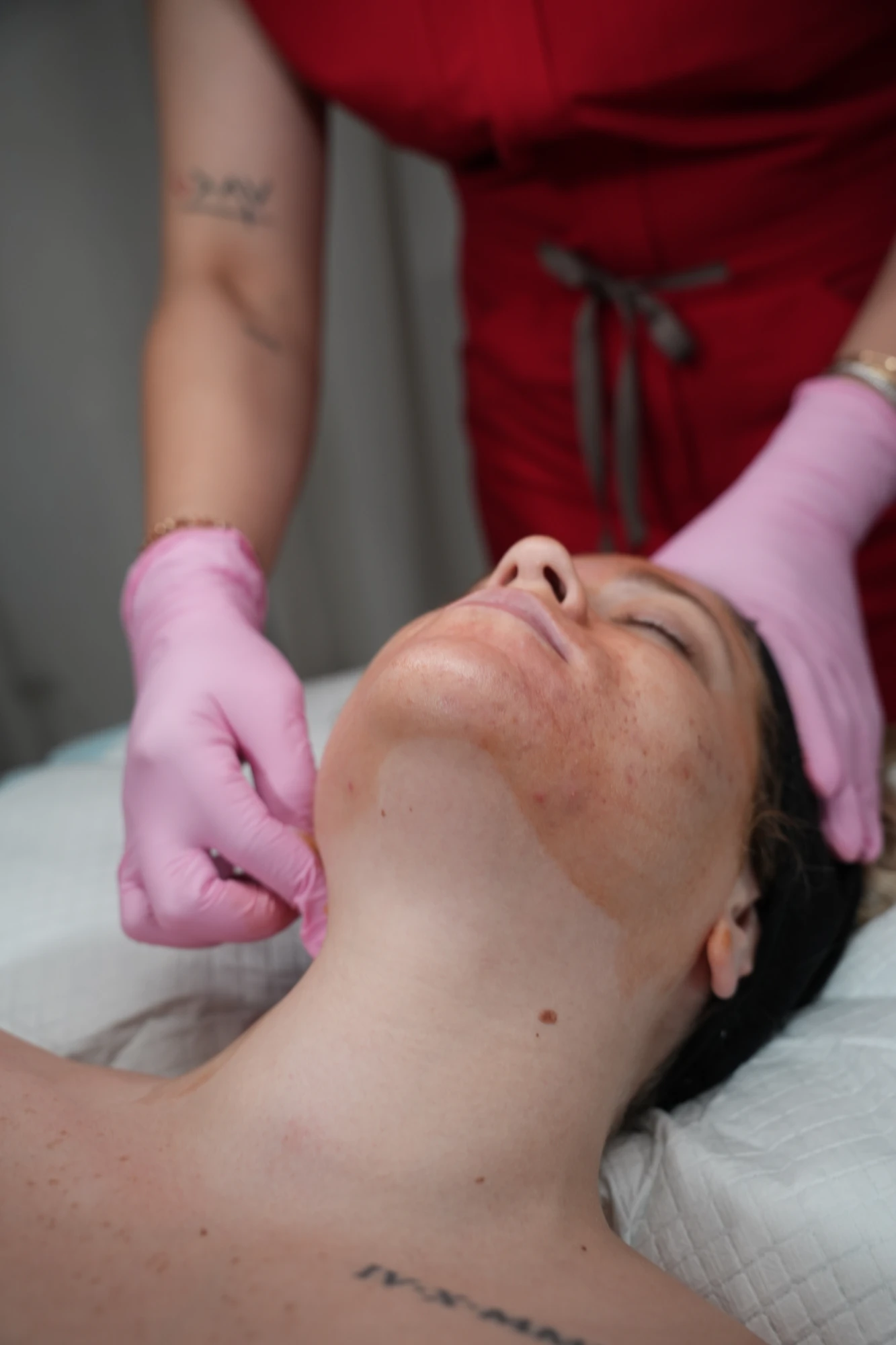
Dark spots left behind by acne or irritation may fade more evenly as the skin renews itself.
Sun-related discoloration
Mild uneven tone can become more balanced over time, especially when paired with a consistent skincare routine.
Deeper or hormonally driven pigmentation may need additional approaches. Microneedling can still play a role, but it is rarely the only step.
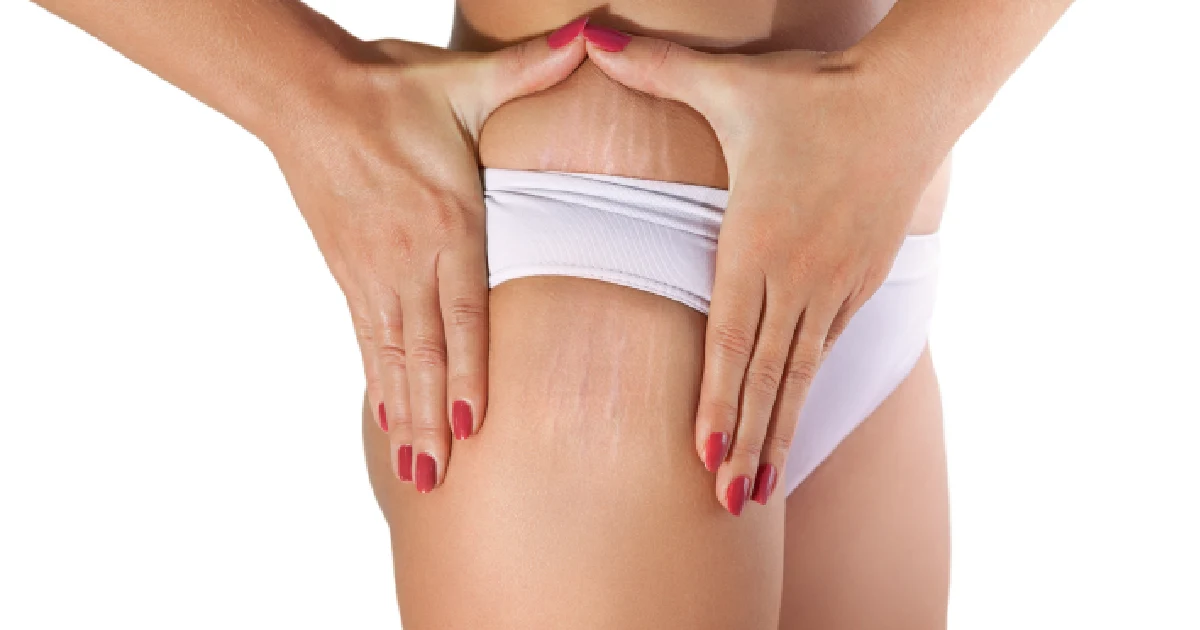
Stretch Marks and Body Concerns
Microneedling is not limited to the face. It may also be administered on areas where the skin has stretched and healed unevenly.
Stretch marks
Newer stretch marks tend to respond more quickly. Older marks can soften in appearance, though they will not fully disappear.
Mild crepey skin
Areas such as the abdomen or thighs may look smoother as collagen levels improve.
These outcomes reflect the broader range of what does microneedling treat, especially for concerns tied to skin structure rather than surface-only issues.
When Microneedling May Not Be the Best Fit
Microneedling works within certain limits. Understanding those limitations can help set realistic expectations.
- Active acne
Treating inflamed breakouts can lead to further irritation or spread bacteria across the skin.
- Deeper wrinkles or advanced sagging
More pronounced aging changes often require treatments that address deeper tissue layers.
- Certain pigmentation conditions
Conditions like melasma can be unpredictable and may worsen without careful management.
- Compromised skin barrier
Skin that is already irritated or weakened may need time to recover before undergoing the microneedling procedure.
Recognizing these situations is just as important as knowing the microneedling benefits, since the goal is to match the treatment to the condition.
RejuvaPen®: A More Controlled Approach to Microneedling
Not all microneedling devices perform the same way. RejuvaPen® is designed with precision in mind, which allows for more consistent results across different skin types and concerns.
RejuvaPen® is an advanced microneedling device that promotes collagen and elastin production through controlled, adjustable needle depth. This level of customization makes it possible to target concerns like enlarged pores, uneven texture, and scarring with greater accuracy.
The treatment experience is generally more comfortable compared to older devices, and visible changes can begin to appear after a few sessions. This controlled approach supports the kind of gradual improvement that defines many microneedling skin concerns treatments.
How to Know If Microneedling Is the Right Option
The right candidates for microneedling usually share a few common characteristics. The treatment tends to work best when the concern is related to texture, mild scarring, or early aging changes.
It may be a good option if:
- Your skin concerns are moderate rather than severe
- You are open to a series of treatments instead of expecting immediate results
- You want gradual improvements that build over time
- Your primary goal is smoother, more even-looking skin
The microneedling technique may not be the first choice if deeper structural changes or significant volume loss are involved.
What Results Typically Look Like Over Time
Microneedling results develop gradually. The process relies on your skin’s ability to repair and rebuild itself, which takes time. After the first session, the skin may feel smoother and look more refreshed. With additional treatments, improvements in texture and tone become more noticeable. A full series often leads to clearer, firmer-looking skin, especially for common skin concerns microneedling helps such as scarring and uneven texture.
Consistency plays a major role. Spacing treatments appropriately and maintaining a supportive skincare routine can help extend and enhance the results.
RAYNĒ MEDSPA | AESTHETICS Microneedling in Evans, GA
At RAYNĒ MEDSPA | AESTHETICS, Microneedling in Evans, GA is performed using RejuvaPen®, a trusted device known for its precision and consistency.
Microneedling is a minimally invasive treatment that creates controlled micro-channels in the skin, prompting a natural healing response that supports collagen and elastin production. This process is often referred to as collagen induction therapy.
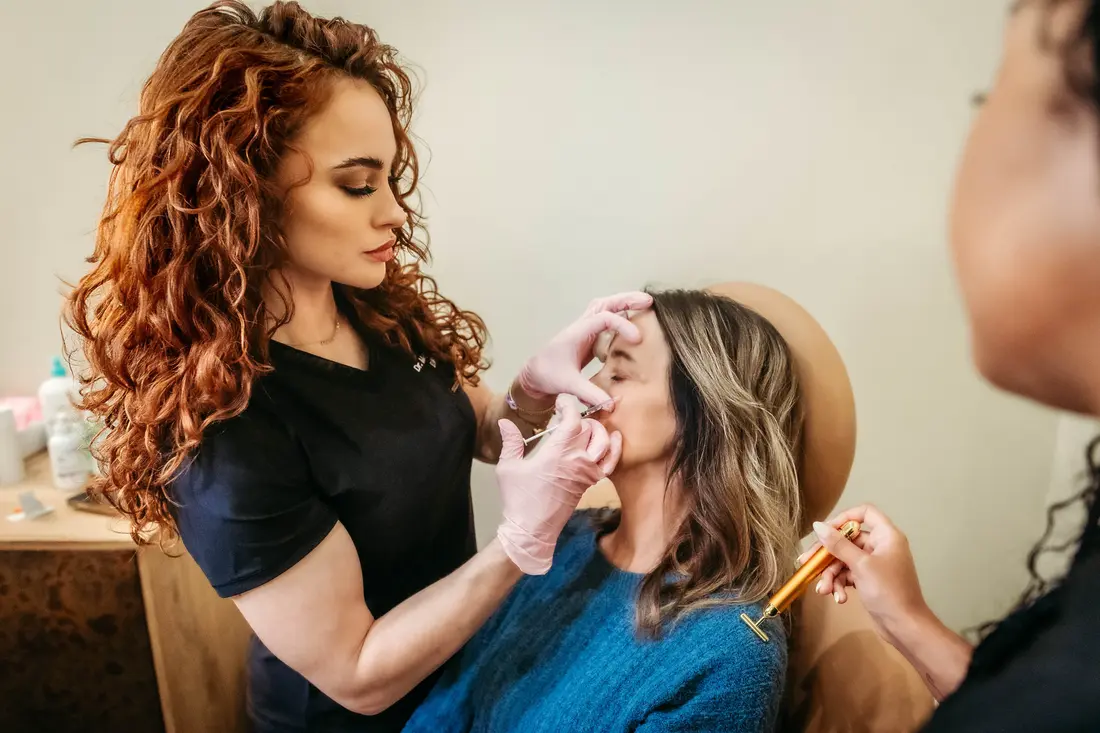
Treatments conducted by our Team are tailored to address concerns such as scarring, wrinkles, and uneven texture while maintaining a focus on safety and controlled results. The use of RejuvaPen® allows for a more refined approach, helping ensure that each session is aligned with the condition being treated.
Book a microneedling consultation today to see if this treatment is right for your skin concerns.
Frequently Asked Questions
What does microneedling treat most effectively?
Microneedling is most effective for improving acne scars, uneven texture, enlarged pores, and early signs of aging.
How many sessions are usually needed to see results?
Most people begin to notice visible improvements after three to four sessions, depending on the skin concern.
Is microneedling safe for all skin types?
Microneedling is generally safe for many skin types, but a professional evaluation is important to avoid complications.
Can I combine microneedling with other treatments?
Microneedling can be combined with treatments like chemical peels, but timing and suitability should always be determined through a professional consultation.